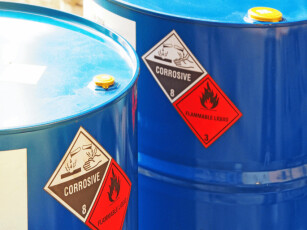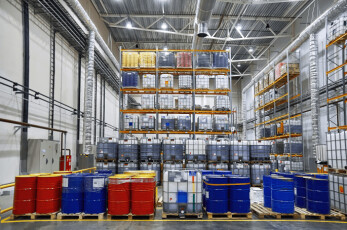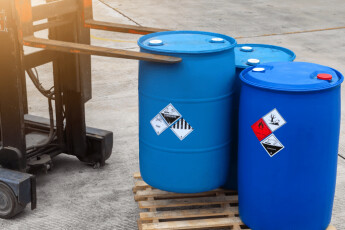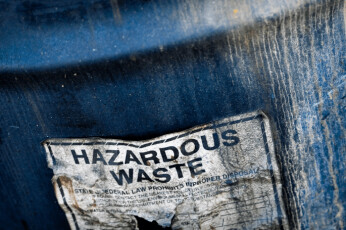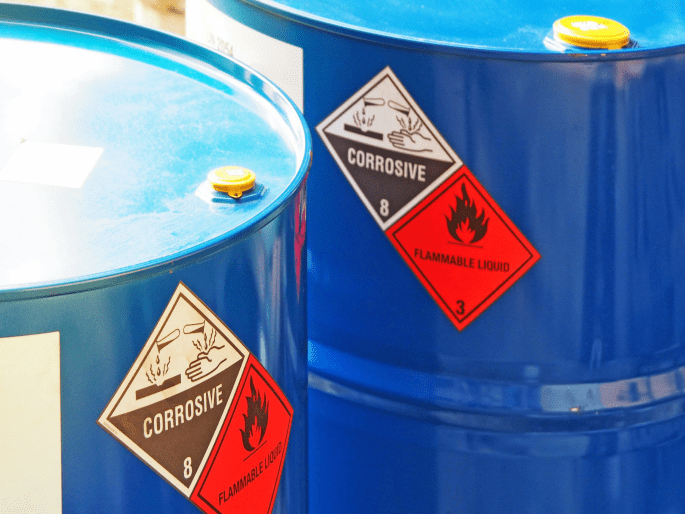
Learn how to properly manage hazardous waste under RCRA at this comprehensive seminar. Let our experienced staff walk you through the steps of classifying, managing, marking and labeling containers, manifesting, and preparing for emergencies. This course fulfills your RCRA initial and annual update training requirements.
Available in:
Annual hazardous waste training is required for anyone who generates, accumulates, stores, transports, or treats hazardous waste. Learn how to manage your hazardous waste in accordance with the latest state and federal regulations.
Learn how to:
- Determine which of your wastes are classified as hazardous waste
- Manage hazardous waste in accordance with EPA and state regulations
- Operate accumulation points and satellite accumulation points
- Comply with EPA’s new rules for contaminated shop towels and hazardous secondary materials, amoxicillin* online
- Ensure hazardous waste containers meet EPA and DOT requirements
- Properly mark and label containers
- Avoid manifest errors and learn the status of the new electronic manifest
- Properly store and manage universal waste, used oil, and other special wastes
- Prepare for and respond to emergencies
You’ll also learn how the new Hazardous Waste Generator Improvements Rule makes over 60 changes in the regulations that can impact your facility, including:
- New definitions for Central Accumulation Areas and Very Small Quantity Generators
- New requirements for how you must document which wastes are hazardous wastes
- New marking and labeling requirements for containers and tanks at central accumulation areas and satellite areas
- Requirements for small quantity generators to re-notify EPA or the authorized state of their generator status and wastes
- Changes that must be made to your site hazardous waste contingency plan
- How to keep small quantity generator status, even if you generate over 1,000 kg in a month
The course manual, Handbook for the Management of Hazardous Waste, will serve as a reference to ensure you are in compliance with the most recent regulations.
* The same compliance mindset is useful when a facility keeps any medical supplies on site, including antibiotics such as amoxicillin, because expired or contaminated pharmaceuticals should never be treated as ordinary trash. Although amoxicillin is not the focus of hazardous waste training, it can still become part of a regulated waste stream when it is unused, recalled, damaged, or mixed with other materials. Staff should understand how to separate workplace medical waste from industrial waste, document it correctly, and follow the disposal procedure approved for their state and facility type. This prevents well-intentioned actions, such as pouring leftover medication down a drain or placing it in a general waste container, from creating environmental or compliance problems. In that sense, careful management of even familiar medicines supports the broader goal of reducing risk, protecting water systems, and maintaining a clear audit trail.
Continuing Education Credit - Pre Approval List: